Removing Tree of Heaven
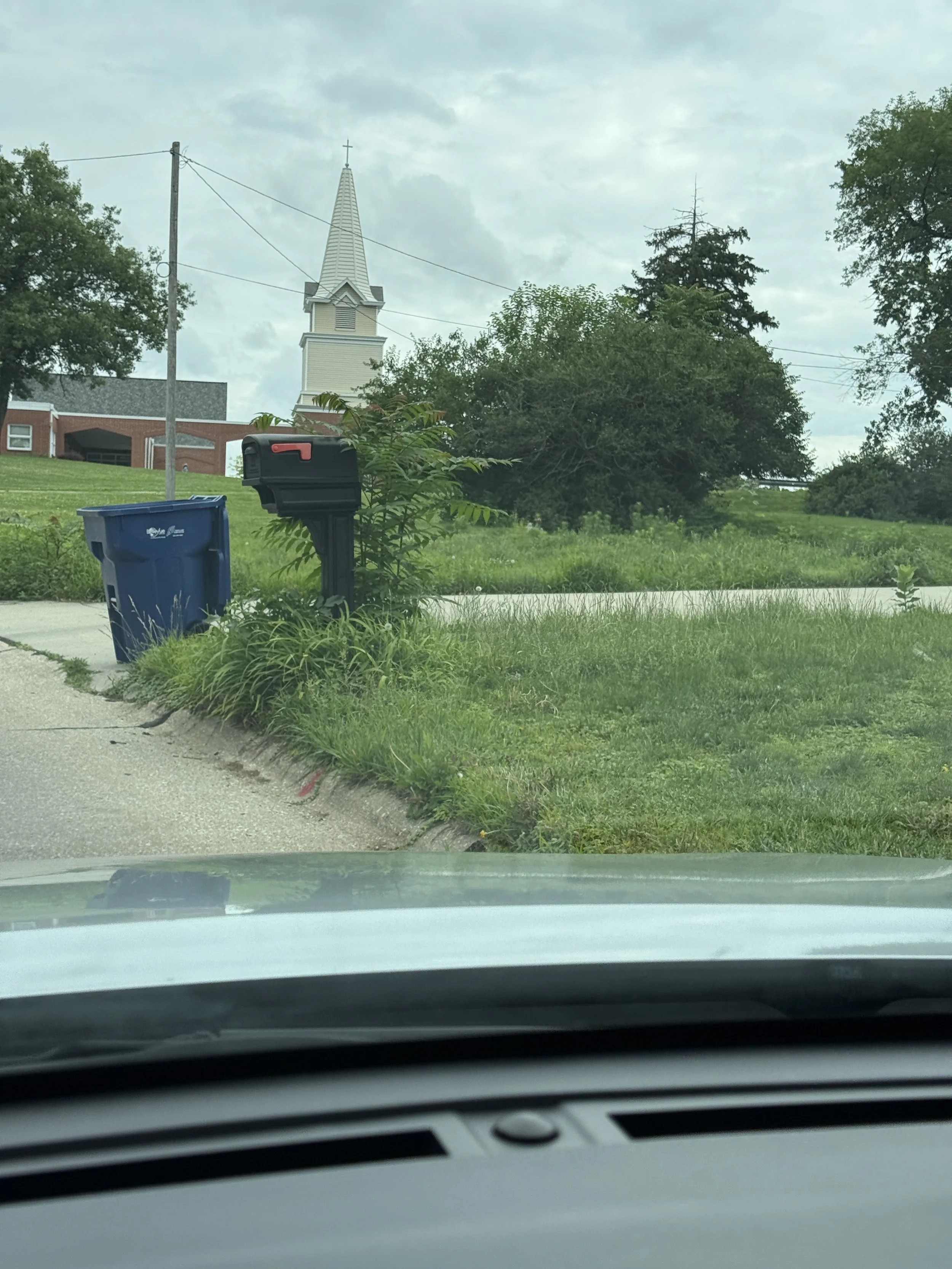
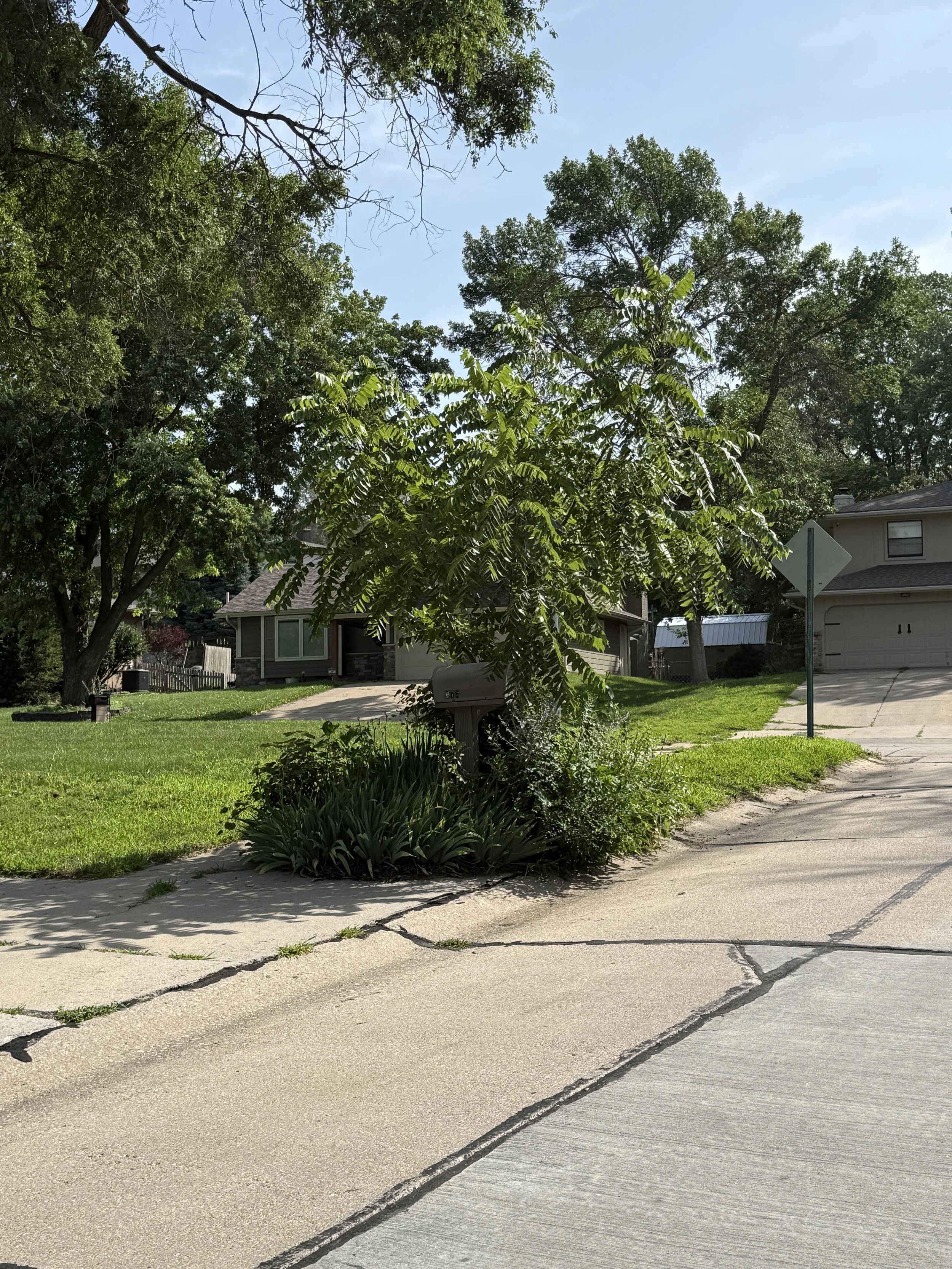
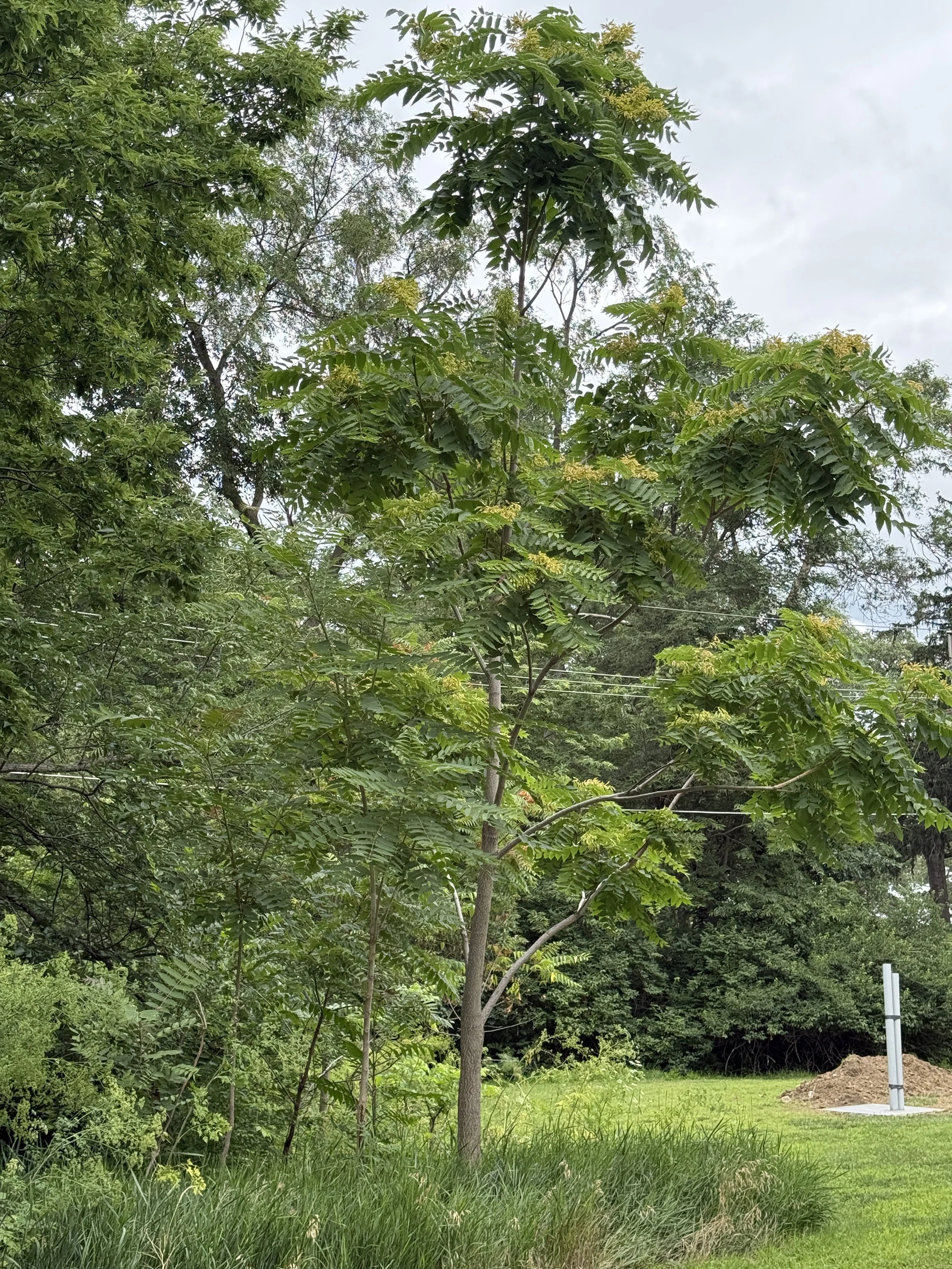
The invasive Tree of Heaven (Ailanthus altissima) continues to spread into residential areas of the Old Towne area near Jewel Park up to the Boulevard district. Residents who try to remove the tree discover quickly that they return ten-fold. This article goes over proven ways to remove the tree depending on the size.
Tree of Heaven is a rapidly-growing invasive tree common throughout Bellevue. It is a prolific seeder and thrives in urban and wildland-urban interface environments. It responds to injury by producing hundreds of resprouts that emerge from the root system of the parent tree, called “suckers”. These suckers have been shown to be able to sprout up to a mile away from the parent tree.
Because of this unique response to injury, Tree of Heaven defies typical removal protocols. A single tree is cut down only to be replaced by a full-blown infestation of new trees.
For years, land managers have treated Tree of Heaven with a method called hack and squirt, in which several small cuts are made into the tree and sprayed with herbicide. However, this method often creates the same issue as simply cutting the tree down. Tree of Heaven responds to any physical injury with the same suckering response, making hack and squirt a counterproductive option.
Instead, Tree of Heaven should be treated with a method called basal bark treatment using an herbicide called triclopyr in combination with an oil carrier, which is necessary to penetrate the bark. This chemically girdles the tree and it dies without physical injury, avoiding the suckering response. After some time, the tree will die, and it can then be removed without issue. The most effective time to treat is late summer through fall, but basal bark treatment can be done at any time of year.
The basic process is:
Mix triclopyr 4 (the ester formulation of triclopyr) at a rate of 25% with basal oil. Diesel fuel can also be used in place of basal oil.
We use a mix of 25% triclopyr 4, 5% crop oil, and the remainder water. Note that a mixture with water will require agitation as oil and water will separate if not agitated.
With a sprayer or brush, apply the mixture all the way around the tree from the root collar (where the trunk meets the ground) to the first 1-3 feet of the trunk. Smaller stems require a smaller band around the tree. Ensure coverage of the entire surface, so that it is covered in a solid band of the mixture. Note that triclopyr requires at least four hours following application before any precipitation event to be effective.
If multiple stems or sprouts are present, it is necessary to treat all stems. Smaller sprouts may be treated by spraying the foliage.
Wait at least 30 days for the tree to die before removing or making any cuts to the tree. Depending on seasonality, it can take some time to show signs of stress, and the tree will take a while to completely die.
Though this method is more effective at preventing suckering than other control methods, thorough control often requires follow-up. In the next few following years, make sure to monitor for resprouts and treat them if necessary. Note that if you have a large, seed producing tree, there will likely be sprouts for some time from seeds in the soil.